

In the fast-paced world of production industries, precision and efficiency are paramount. Businesses continually seek innovative solutions to enhance their cutting operations, ensuring they stay competitive in a market that demands excellent results in minimal time. Within the countless techniques available, laser and waterjet cutting service s stand out as highly effective methods that cater to a range of materials and applications. However, like any technology, these cutting methods come with their unique collection of challenges that demand navigation and thoughtful planning.
Understanding the intricacies of industrial cutting processes is necessary for manufacturers looking to optimize their operations. From selecting the right technology to managing costs and ensuring safety, there are multiple factors that come into play. This article examines the complexities faced in industrial cutting operations, showcasing successful strategies to overcome frequent obstacles while leveraging the advantages of advanced cutting services like laser and waterjet technology. By addressing these challenges, manufacturers can better equip themselves to streamline their operations and achieve their production goals.
Overview of Cutting Technologies
In the realm of industrial industry, cutting technologies are essential for forming materials into targeted shapes. Among the widely utilized methods are laser and waterjet cutting services, both of which offer unique advantages and benefits. Laser cutting makes use of a strong beam of light to melt or melt material, offering precision cuts with minimal thermal distortion. This technology stands out in cutting metals, plastics, and textile materials, making it flexible for multiple applications.
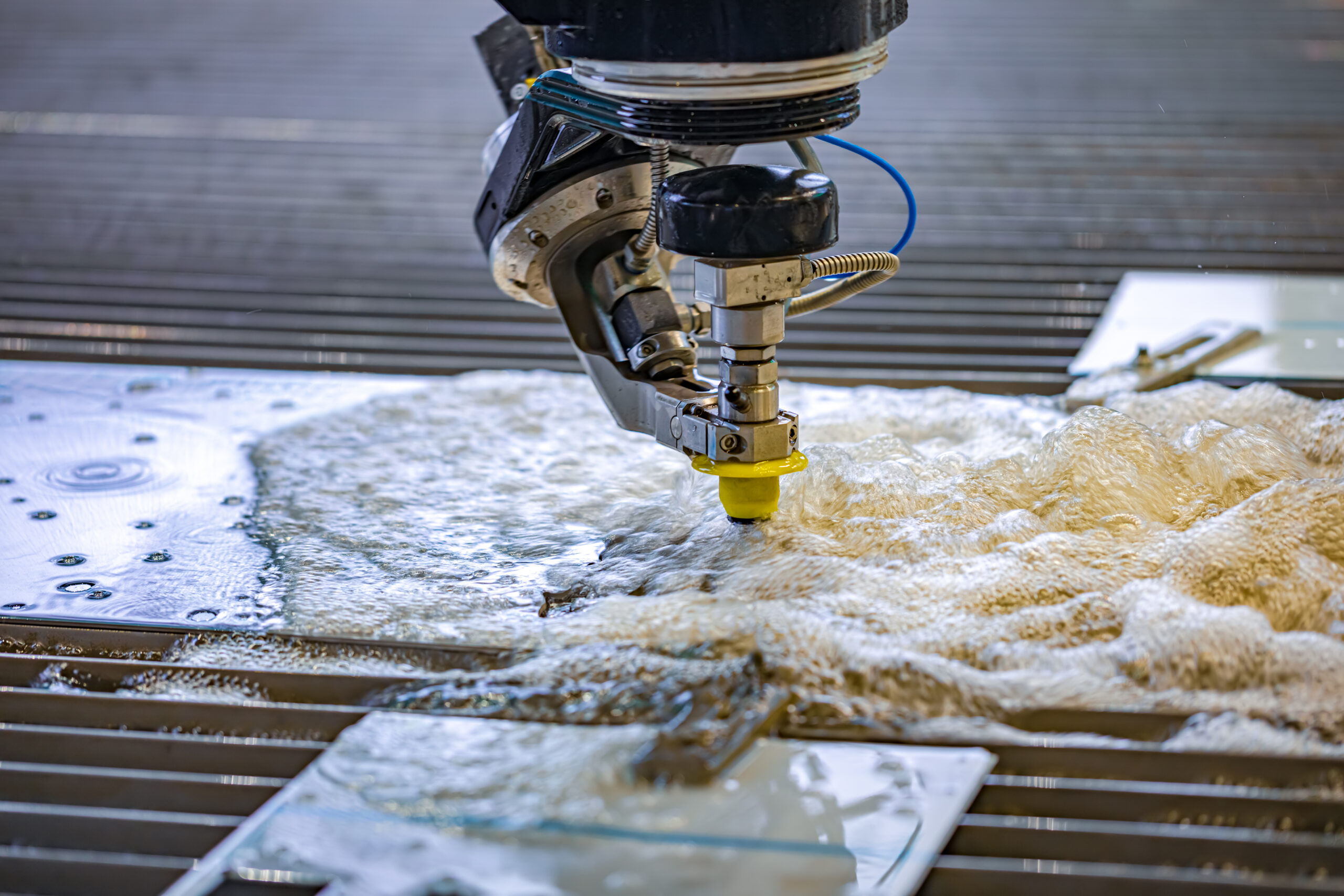
On the other hand, waterjet cutting uses a pressurized stream of fluid, often mixed with abrasives, to exactly cut through materials. This method is particularly advantageous for heavy materials and those vulnerable to heat, as it does not introduce thermal stress. Waterjet cutting is widely used for materials such as rock, crystals, and composite materials, enabling manufacturers to create intricate designs without diminishing the integrity of the workpiece.
Both laser and waterjet cutting technologies have transformed the manufacturing industry. They facilitate rapid prototyping, reduce material waste, and improve overall efficiency. As industries continue to develop, incorporating these cutting methods into operations will be important for staying competitive and meeting the needs of contemporary production processes.
Benefits and Drawbacks
The use of laser cutting offers precision and cleanliness in industrial applications. The technology can cut complex designs with great accuracy, making it perfect for detailed work in various materials such as metals, plastic composites, and wood. The zone affected by heat is minimal, which lowers the risk of deformation, ensuring excellent finishes. Additionally, laser cutting is often quicker than conventional techniques, increasing productivity and allowing for rapid prototyping and production.
On the other hand, this method does have shortcomings. It may struggle with heavy materials, as the intensity required can be insufficient for cutting through thick metal sheets or heavy composites. This can lead to reduced operation speeds or the need for multiple passes, which negates some of the advantages of speed. Moreover, the initial investment in laser cutting equipment can be significant, making it a more expensive option for small businesses or startups.
Waterjet cutting presents a different advantages, particularly in its versatility. It can cut through a wide range of materials, including metals, ceramic materials, glassy materials, and stone, without introducing heat that can alter the material's properties. This method is perfect for fragile components or sensitive materials that might be hurt by heat. Additionally, waterjet cutting produces smooth edges and is an eco-friendly option, generating no hazardous fumes or pollutants. However, the process can be slower than the use of lasers, and the equipment's operational complexity may require skilled personnel for effective use.
Best Strategies for Execution
Implementing an efficient industrial machining operation requires detailed planning and thought of both technology and procedures. First, choosing the right cutting method, whether laser or waterjet cutting service, is crucial. Elements such as the type of material, thickness, and desired precision should influence this decision. Additionally, it’s important to put resources in machinery that matches your manufacturing scale, ensuring that the capabilities of your equipment align with your business needs, ultimately enhancing effectiveness and productivity.
Educating personnel on the nuances of cutting methods is another key element of effective execution. Operators should be well-versed in not only the machinery itself but also in troubleshooting potential issues that may occur during operation. Frequent workshops and education sessions can help maintain competency levels, enhance safety practices, and keep the workforce updated on the latest cutting techniques and technologies. Empowered employees who comprehend the capabilities of the machinery capabilities will aid to a more efficient operation.
Finally, continuous monitoring and upkeep of cutting machinery is critical. Establish a scheduled maintenance plan to prevent unexpected downtimes that can hinder output. Utilizing data analysis can assist in assessing machine function and identifying issues early on. Keeping a sharp watch on the quality of the cutting output will also help in making essential adjustments, ensuring that the desired standards are met reliably across all projects.